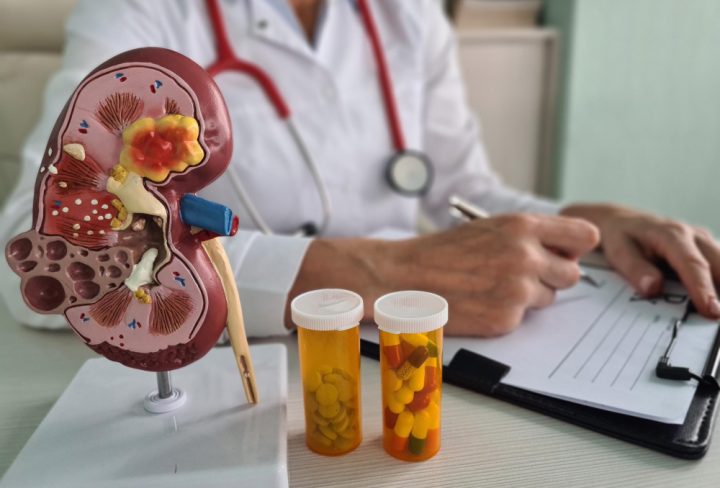
What Are Kidney Stones?
Kidney stones are hard lumps that form inside your kidneys. They are made from minerals and salts that stick together. Often, these stones can block the flow of urine. Because of this, they may cause pain or other problems. Kidney stones are common and can affect people of all ages. In many cases, small stones pass on their own. However, larger stones may need treatment. Knowing about kidney stones can help you spot signs early and get the right care.
Causes of Kidney Stones
Many things can lead to kidney stones. Sometimes, your body has too much of certain minerals. These minerals can build up and form stones. Other times, not drinking enough water can be a cause. When you are dehydrated, your urine becomes more concentrated. This makes it easier for stones to form. In addition, some foods and drinks may raise your risk. For example, eating lots of salt or animal protein can increase your chances. Family history also plays a role. If someone in your family had kidney stones, you might be more likely to get them too.
Types of Kidney Stones
There are several types of kidney stones. Each type forms for different reasons. Knowing the type can help your doctor choose the best treatment. Here are the main types:
Because each type has different causes, your doctor may suggest special tests to find out which kind you have.
Symptoms of Kidney Stones
Kidney stones can cause many symptoms. Sometimes, you may not notice anything until the stone moves. When this happens, you might feel pain or discomfort. Here are some common signs of kidney stones:
Because these symptoms can also be caused by other problems, it is important to pay attention to your body.
When to Suspect Kidney Stones
Sometimes, it can be hard to know if you have kidney stones. However, certain signs should make you think about this problem. For example, if you have sudden, sharp pain in your back or side, you should pay attention. If the pain comes and goes, or if you see blood in your urine, kidney stones may be the cause. In addition, if you have a family history of kidney stones, your risk is higher. You should also be alert if you have had kidney stones before. Because early treatment can help, do not ignore these warning signs:
If you notice any of these symptoms, it is wise to see a healthcare specialist soon.
Conclusion
Kidney stones can cause pain and other problems, but early care can help. If you notice signs of kidney stones or have risk factors, talk to a healthcare specialist. They can guide you on the best steps for your health.