Introduction
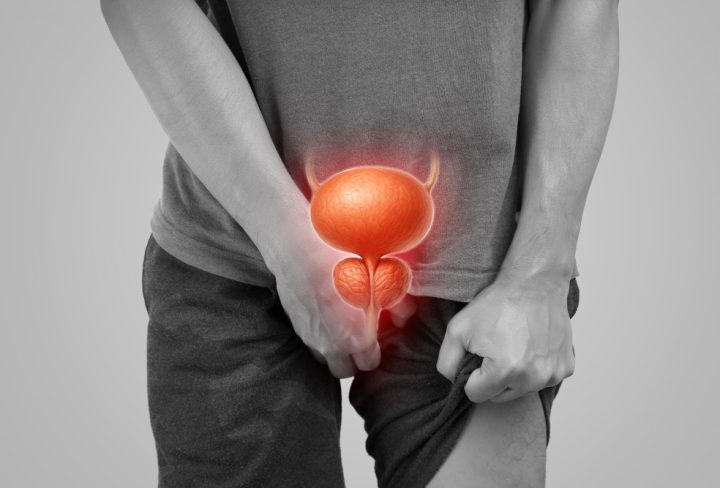
Urethral stricture is a condition where the tube that carries urine from the bladder becomes narrow. This can make it hard to pass urine. Many people do not know about this problem, but it can affect daily life. Because of this, it is important to learn how to prevent urethral stricture. Simple steps can help keep your urinary system healthy. In this guide, you will find easy tips and facts to protect yourself and your loved ones.
What is Urethral Stricture?
The urethra is a small tube that lets urine leave the body. When this tube becomes narrow, it is called a urethral stricture. This narrowing can slow or block the flow of urine. As a result, you may feel pain or discomfort. Urethral stricture can happen to anyone, but it is more common in men. Early prevention can help you avoid many problems.
Common Causes and Risk Factors
Understanding the causes can help you learn how to avoid urethral stricture. Some common causes and risk factors include:
For example, using a catheter for a long time can increase your risk. Also, untreated infections can lead to scarring and narrowing.
Symptoms to Watch For
It is important to notice early signs of urethral stricture. Some symptoms include:
If you notice these symptoms, you should talk to a doctor soon. Early treatment can prevent more serious problems.
Tips to Prevent Urethral Stricture
There are many ways to protect your urethra and avoid strictures. Here are some practical, evidence-based tips:
Additionally, regular check-ups can help catch problems early. These steps are simple but can make a big difference in preventing urethral stricture.
When to Seek Medical Help
If you notice trouble passing urine or see blood in your urine, you should see a doctor. Sometimes, waiting can make the problem worse. For example, if you have pain or frequent infections, do not ignore these signs. Early care can prevent lasting damage. According to the Centers for Disease Control and Prevention (CDC), prompt treatment of urinary problems is important for good health.
Lifestyle and Hygiene Guidance
Good habits can help you avoid urethral health issues. Here are some simple lifestyle and hygiene tips:
Moreover, staying active and eating a balanced diet can support your overall health. These steps can help you prevent urinary tract injuries and infections.
Frequently Asked Questions (FAQs)
Conclusion
In summary, urethral stricture can affect anyone, but you can take steps to prevent it. By following these urethral health tips and staying aware of symptoms, you can protect yourself. If you have any concerns, consult a urologist for personalized advice on urethral health.